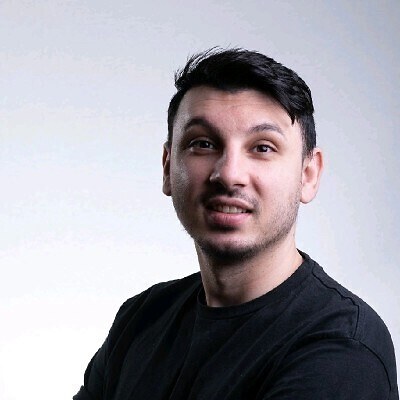
Stefan Cornea
I'm Stefan, a backend and streaming engineer at Signapse, where I build the real-time systems that deliver AI-generated sign-language video. I work mostly in Go and Rust, with a soft spot for the unglamorous parts: streaming protocols, concurrency, and systems that stay up when things go wrong. I lead GDG London, so community and sharing what I learn is a big part of what I do, and I write a newsletter called The Control Loop. Outside work I'm usually building something for the fun of it, which is exactly where this project came from.
Software Engineer @ Signapse
A practical example of how routing and ETAs actually work.
Session Type: Talk
Ever wondered how your maps app finds the fastest route or knows you're 12 minutes away? This is a practical look at the graph traversal behind every route: from "roads are a graph" to a live map moving hundreds of vehicles, so you leave knowing how routing and ETAs really work.
Every time your phone plans a route or counts down an ETA, it's quietly running a graph search across a whole city of roads. This talk is a practical look at how that actually works, and how you'd build it yourself.
We start from the idea that a road network is just a graph, then walk through how you find a shortest path across it, why doing that at city scale is hard and the trick real routing engines use to answer in milliseconds. To make it concrete, I run a live map that simulates hundreds of vehicles routing and moving across London at once, and show the handful of ideas that keep it fast and stable.
You'll leave understanding how routing and ETAs really work under the hood, where the genuinely hard parts are and a set of patterns you can reuse in anything that has to find paths or juggle many moving things at once.
Headline Sponsor

We are looking for sponsors!
Sponsors make this conference possible, we're actively looking for people to support!